Blockchain/ICO
Cyberthreats/Incidents

Cyberthreat trends in the dark web: AI, blockchain, and the infrastructure crisis in the first half of 2026

Mikulenko Maksim

Mikulenko Maksim

Junior Analyst, International Analytics Group, PT Cyber Analytics

About this report

Advanced technologies and new digital tools are transforming every aspect of modern life, and the cybercriminal ecosystem is no exception. In this report, we analyze how key technology trends, including advances in artificial intelligence and blockchain infrastructure, are shaping threat actors' methods, tools, and tactics.

We focus specifically on changes in the cybercriminal underground ecosystem: the use of smart contracts in botnet infrastructure and the crisis of trust in bulletproof hosting providers. The dark web remains a testing ground for malicious tools and attack techniques. Methods being tested in dark web communities today may eventually become part of campaigns targeting organizations.

These changes could shorten attack preparation times, make tools more accessible to new threat groups, and make criminal infrastructure harder to detect and disrupt. Identifying trends early gives defenders time to refine monitoring, reassess priorities, and prepare for scenarios that are not yet widespread.

This report presents key trends in threat actor activity that emerged during the first half of 2026. It draws on monitoring of open and closed sources, including analysis of private Telegram channels, relevant accounts on X (Twitter), and specialized hacker forums, as well as examination of leaked source code and data that became available during the reporting period.
Summary

  • AI remains a marketing tactic on underground forums and marketplaces, but tools that put it to practical use are becoming more common. One example is AI hRDP, whose AI agent translates an operator's text commands into actions to control a device.
  • Advances in AI are creating two parallel threats: threat actors are adopting the technology, while AI itself is becoming a target of cyberattacks. For example, the Scorpion orchestrator automates vulnerability discovery, while the KAIDO RAT trojan specifically targets developer environments and intercepts data from AI platforms such as Claude.
  • An emerging trend among ransomware groups is the use of proprietary AI modules for in-depth analysis of stolen data. Neural networks enable threat actors to automatically identify the most sensitive documents, assess potential reputational damage, and calculate the optimal ransom amount.
  • Generative AI is widely used to write malware, but the underground community discourages this practice because it compromises the secrecy of the development process and makes it easier to detect.
  • Botnets are beginning to use blockchain infrastructure in place of traditional DNS and command-and-control (C2) mechanisms, making their control infrastructure more resilient. This makes these architectures harder to detect and disrupt.
  • Threat actors are increasingly targeting business logic and decision-making processes rather than code vulnerabilities. Examples include tools that automate attacks on interactive voice response (IVR) systems and techniques that manipulate the reputation of malicious files on VirusTotal to bypass security filters.
  • Problems affecting several major hosting and VPN providers have triggered a crisis of trust in the underground community. These incidents clearly demonstrate that threat actors are also vulnerable to supply chain risks.

Introduction

The cybercrime market is continuously evolving, rapidly adapting advanced technologies for criminal purposes. The ongoing shift toward crime-as-a-service (CaaS), along with the integration of AI and blockchain technologies, is making threat actors' toolsets increasingly unpredictable and sophisticated. Neural networks are being turned into autonomous malicious agents, smart contracts are becoming a reliable means of controlling botnets, and attacks on business logic are attracting growing interest among threat actors.

At the same time, the increasing complexity of underground tools delivered through the as-a-service model creates additional points of failure for cybercriminals. For example, the disruption or compromise of bulletproof hosting providers and VPN services, even when triggered by the actions of a single member of the underground community, can affect a wide range of threat actors at once. As a result, a single localized incident can set off a chain of unpredictable consequences and unintended data leaks affecting larger, more experienced groups.

Trend 1. AI: expanding attackers' capabilities

Artificial intelligence is now firmly established in threat actors' arsenals, no longer as an experimental technology but as a practical tool that improves the speed, scalability, and effectiveness of criminal operations. Experts worldwide report that malicious use of AI is steadily expanding beyond phishing content generation and social engineering into other areas. Neural networks are already established tools for reconnaissance, automating routine attack stages, evading security controls, and developing fraud schemes. Google researchers, for example, note that APT groups are already testing generative AI models at various stages of their operations. Below, we examine how these trends translate into practice in specific examples of malware.

AI as a malware module: just marketing?

AI integration has long been a marketing tactic for malware developers seeking to capitalize on emerging trends. Many developers add "AI" to their product names simply to make them more appealing to buyers. In such cases, conventional algorithms often stand in for actual neural network capabilities.

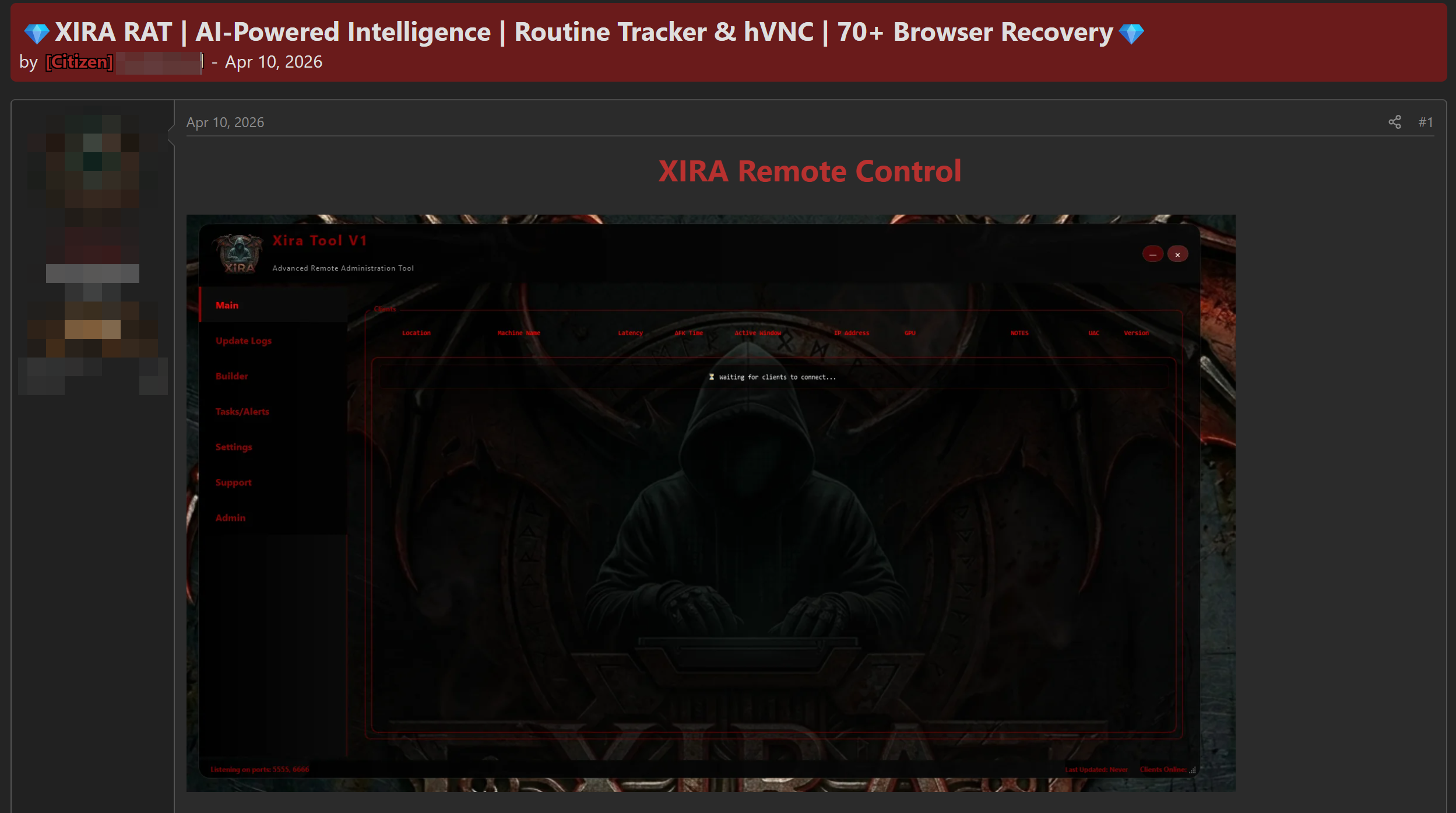
XIRA RAT is a new multifunctional remote access trojan that emerged in early April. Its developers claim that it has built-in AI capabilities. The malware collects data from cryptocurrency wallets, messaging apps, popular gaming platforms, and more than 70 browsers and AI applications, including Cursor and Antigravity. In addition to standard functionality, XIRA RAT offers specialized capabilities, such as using an infected device's connection to proxy attacker traffic and managing a botnet to carry out attacks.

Figure 1. Underground forum post advertising XIRA RAT for sale

The trojan includes the following intelligent features:

  • Keylogging with automatic identification of sensitive data
  • Analysis of user activity to identify peak productivity periods and habits
  • Automated searches across all disk partitions to locate personal media files

The first two features can readily be implemented using conventional algorithms without neural networks. The search for personal media files could theoretically use basic computer vision algorithms, but in practice, this functionality is often implemented by simply scanning file extensions and metadata.

Since the developer does not specify which modules use AI, the reference to AI is likely just a marketing tactic, particularly given that XIRA RAT is broadly positioned as an all-purpose tool for widespread use. The malware combines the capabilities of a trojan, a stealth cryptocurrency miner, a DDoS bot, and a proxy server. It is also marketed as fully undetectable (FUD), with this combination lowering the financial and technical barriers to entry for low-skilled attackers.

The popularity of such tools on underground marketplaces suggests that developers will continue to use the "AI" label in malware descriptions as an effective marketing tactic to attract buyers, regardless of whether their products actually incorporate neural networks.

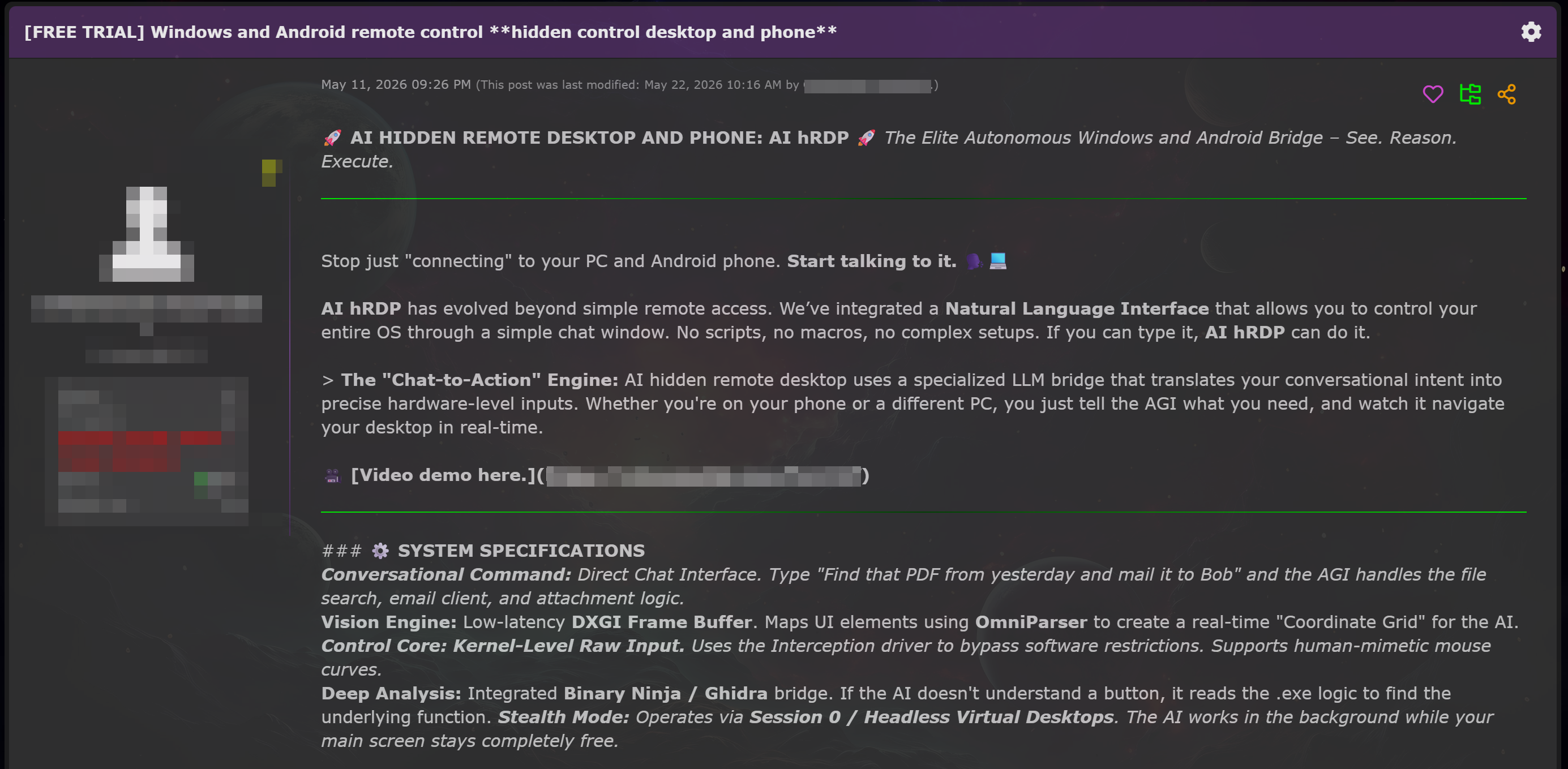
Although threat actors still frequently invoke AI to attract attention, this trend is gradually changing. Offerings increasingly feature AI not just as a selling point but also as a practical tool for experimentation during attack preparation and execution. One example is an advertisement offering a free trial of a new tool for threat actors, AI hRDP.

AI is the core component of AI hRDP, short for "AI hidden Remote Desktop and Phone." Hidden remote access is more of an add-on, but it places the software in the potentially malicious category. The operator does not need to write scripts or control the device manually. A dedicated LLM bridge translates text commands into specific actions at the hardware input level, effectively functioning as an AI agent.

Figure 2. Underground forum post advertising AI hRDP for sale

The technical capabilities of AI hRDP include the following:

  • A low-latency DXGI frame buffer and the OmniParser library enable the AI to recognize user interface controls.
  • A kernel-level input interception driver simulates human mouse movements and bypasses software restrictions.
  • Integration with Binary Ninja and Ghidra bridges enables the AI to analyze executable logic to locate the required functions.
  • The AI autonomously plans a sequence of actions to complete a task set by the operator.

AI hRDP places particular emphasis on concealment mechanisms that allegedly allow the AI agent to operate without being detected by either the victim or security systems. In addition to the capabilities described above, the tool runs in isolated Session 01 or on hidden virtual desktops, runs with Protected Process Light (PPL) status, and uses an encrypted connection. The developer clarifies that the software is positioned as a tool for developers and automation specialists and that remote access requires proper authorization.

1Session 0 isolation is a Windows security feature that sparates system services and drivers from user sessions.

Threat actors are now integrating neural networks into many different stages of their operations. AI can be used to analyze stolen data, automatically calculate financial damage, or coordinate interactions among all services in a system. This changes the malware paradigm itself: instead of a hard-coded set of scripts, malware becomes an autonomous agent capable of making its own decisions based on the host environment. AI hRDP clearly illustrates how AI is moving beyond the role of an external assistant to become a core component of malicious software.

Optimizing extortion

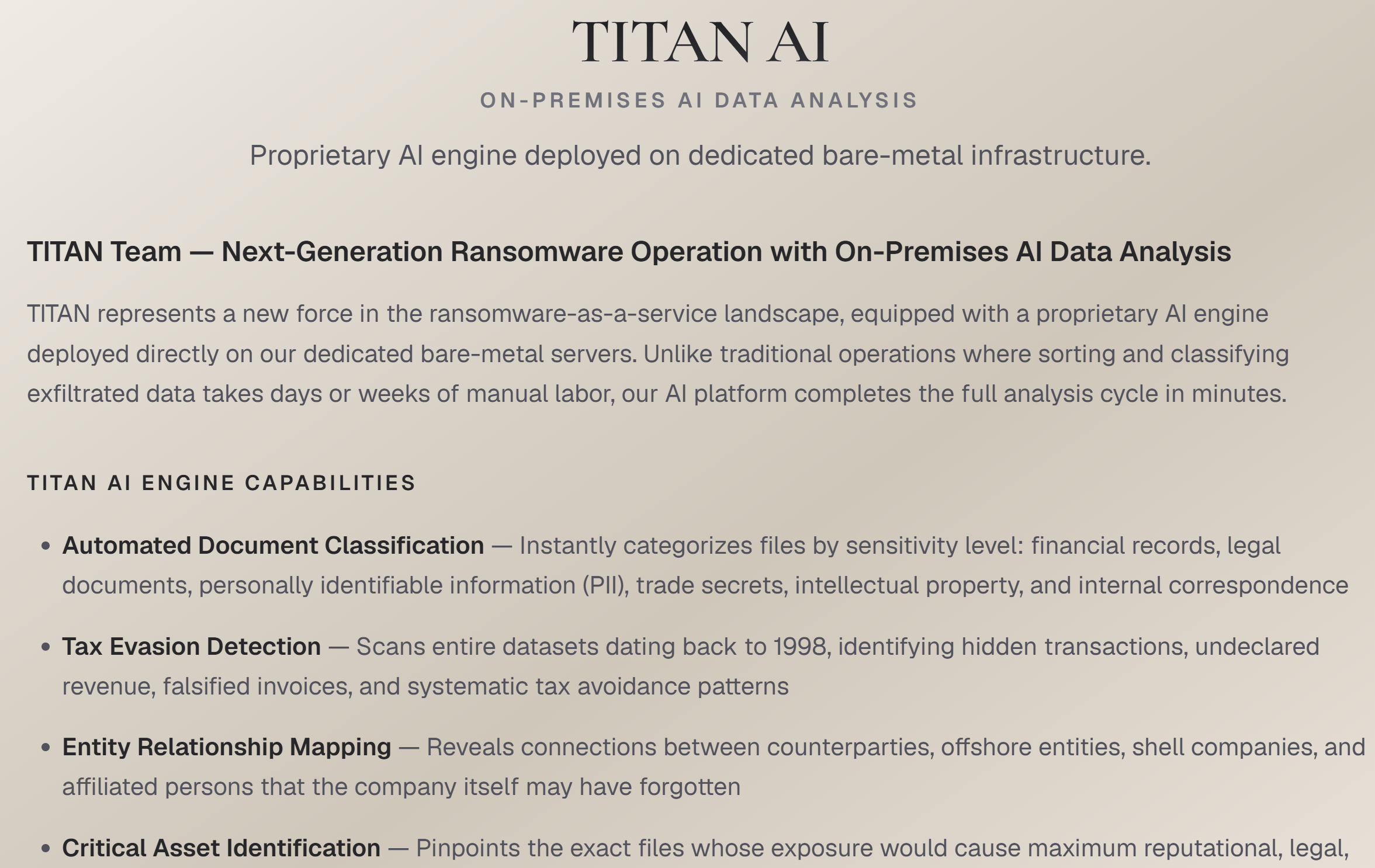
Ransomware is another area where AI is becoming a new foundation for operations, raising the stakes for victims. The TITAN ransomware group describes its proprietary data analysis system as "an automated factory for converting corporate data into irreversible legal and reputational consequences."

Figure 3. Description of TITAN AI's capabilities on the group's data leak site (DLS)

The developers claim that TITAN AI can classify corporate documents by confidentiality level, pinpoint files that could cause the greatest reputational damage, and even identify tax evasion. The system can calculate the optimal ransom demand by determining the maximum amount a victim can afford to pay.

The threat actors claim that the AI runs on their own infrastructure and can process up to 700 GB of data in less than an hour. Without manual intervention, TITAN AI compiles evidence, calculates regulatory fines, and queues data for publication.

TITAN AI represents a new stage in the evolution of ransomware. By using AI to analyze stolen data, threat actors can present victims with detailed disaster scenarios during ransom negotiations. Consequences that previously amounted to potential future risks are presented as established facts through rapid, in-depth analysis. Rather than simply threatening to publish data, the attackers present a fully developed case outlining the legal and reputational damage the victim faces, taking psychological pressure to a new level.

This points to an emerging trend: ransomware groups are developing proprietary AI modules tailored to their specific needs. Moving away from third-party public APIs, which could expose them to service blocks or data leaks, makes the extortion process independent of external providers. More ransomware-as-a-service (RaaS) groups will openly acknowledge using AI to analyze stolen information, adopting TITAN AI's tactics. This will involve both developing custom analytical tools in-house and adapting available LLMs to classify and extract critical data, enabling the groups to calculate optimal ransom demands more precisely and maximize the damage they cause.

Automating vulnerability discovery with AI

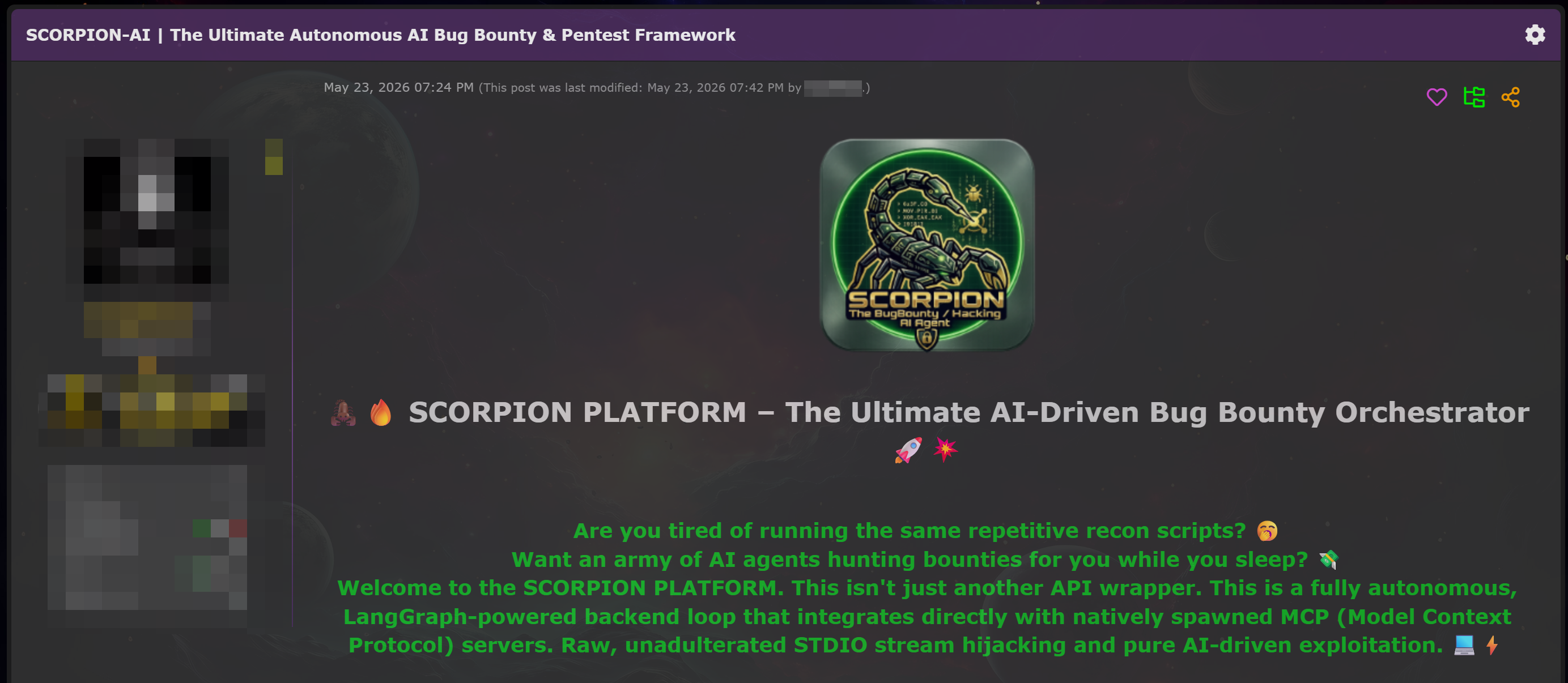
The use of autonomous agents and orchestrators to automate vulnerability discovery and penetration testing is becoming a significant new application of AI. These tools can bring together disparate scanning tools, independently coordinate vulnerability discovery, and analyze results, significantly accelerating reconnaissance ahead of attacks. For example, an advertisement offering an AI orchestrator for bug bounty hunting appeared on a hacker forum in May.

Scorpion is a centralized command-and-control (C2) platform with a web interface that brings together popular utilities and language models for vulnerability discovery and penetration testing. Its fully autonomous LangGraph-based backend integrates directly with native Model Context Protocol (MCP) servers. This allows the AI to operate beyond the command line and perform up to six iterations per task, analyzing standard output and adjusting the attack vector.

The platform also offers task-specific AI roles that can be switched depending on the objective. Available roles cover reconnaissance, vulnerability discovery, lateral movement, and even social engineering.

According to a user of an underground forum, Scorpion brings together an autonomous AI penetration testing framework (Hexstrike AI), modules for automating routine checks and scanning cloud infrastructure, and tools and services such as Shodan, Nuclei, Nmap, and OWASP ZAP.

Figure 4. Underground forum post advertising Scorpion-AI for sale

The value of results produced by such tools often remains questionable. Along with high-speed scanning, cybercriminals get large numbers of false positives and vulnerabilities with limited exploitation potential. Moreover, most cybercriminals specialize in a narrow range of activities and focus on specific types of attacks. They may therefore offer vulnerabilities outside their area of expertise for sale on specialized forums. However, vulnerabilities with limited exploitation potential and common flaws attract little demand on the black market.

In this situation, bug bounty platforms offer an alternative way to monetize findings. An attacker can either spend time developing an exploit for an uncertain payoff or quickly submit a report to a legitimate platform for a guaranteed reward for a simple bug. This approach further blurs the line between independent security researchers and low-skilled cybercriminals. Meanwhile, the platforms themselves are actively countering this trend by introducing strict screening measures to stem the influx of low-quality, AI-generated reports.

Platforms such as Scorpion clearly illustrate the current trend. Tools that use AI agents eliminate routine tasks, accelerate vulnerability discovery, and make penetration testing easier to automate, becoming a new standard for both security researchers and cybercriminals.

AI-assisted malware development

The cybercrime ecosystem is actively adopting generative AI for coding. However, as in the legitimate IT sector, this trend is generating debate and internal conflict. Not all professional developers approve of replacing manual coding with neural networks.

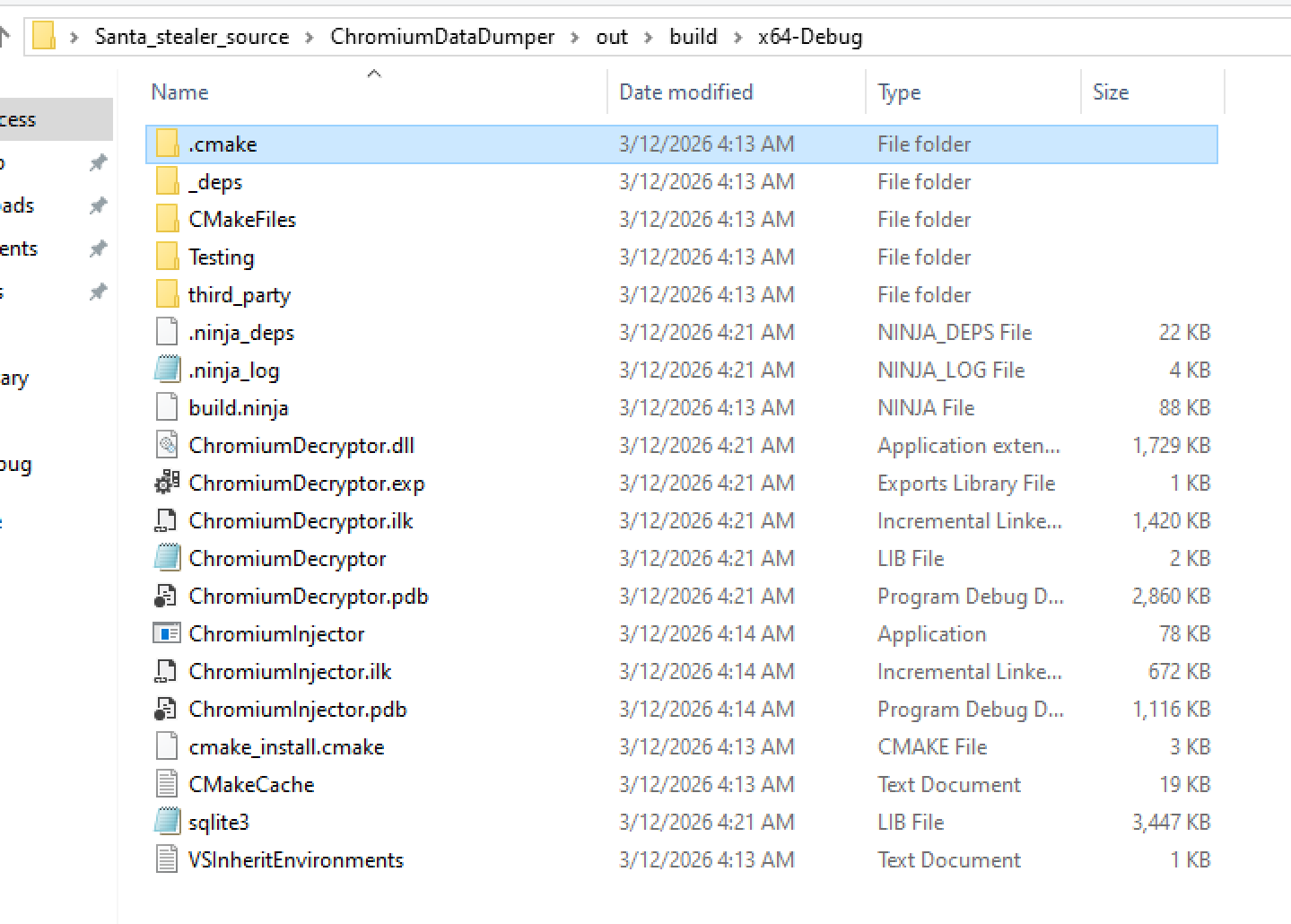
On January 29, 2026, a developer claiming to have written the original Santa Stealer code publicly released the project's source code following a financial dispute. According to the developer, the current operators had failed to pay even $1,000 for the work, prompting the release as an act of revenge. The published code includes a clipboard hijacker and tools for stealing data from Chromium-based browsers. The malware has a modular architecture, is designed to fully compromise Windows devices, and uses Telegram to exfiltrate stolen data logs.

More notable, however, was the developer's criticism of the project's current operators. The developer described the current version of the stealer as a product of "vibe coding," claiming that most of the new code had simply been generated using ChatGPT and supplemented with publicly available code snippets from GitHub.

This case supports our forecast that AI would lower the barrier to entry for malware development. Nevertheless, its role in malware development remains limited to assisting in the creation of common, conventional malware.

Figure 5. Screenshot of the directory containing the leaked Santa Stealer source code

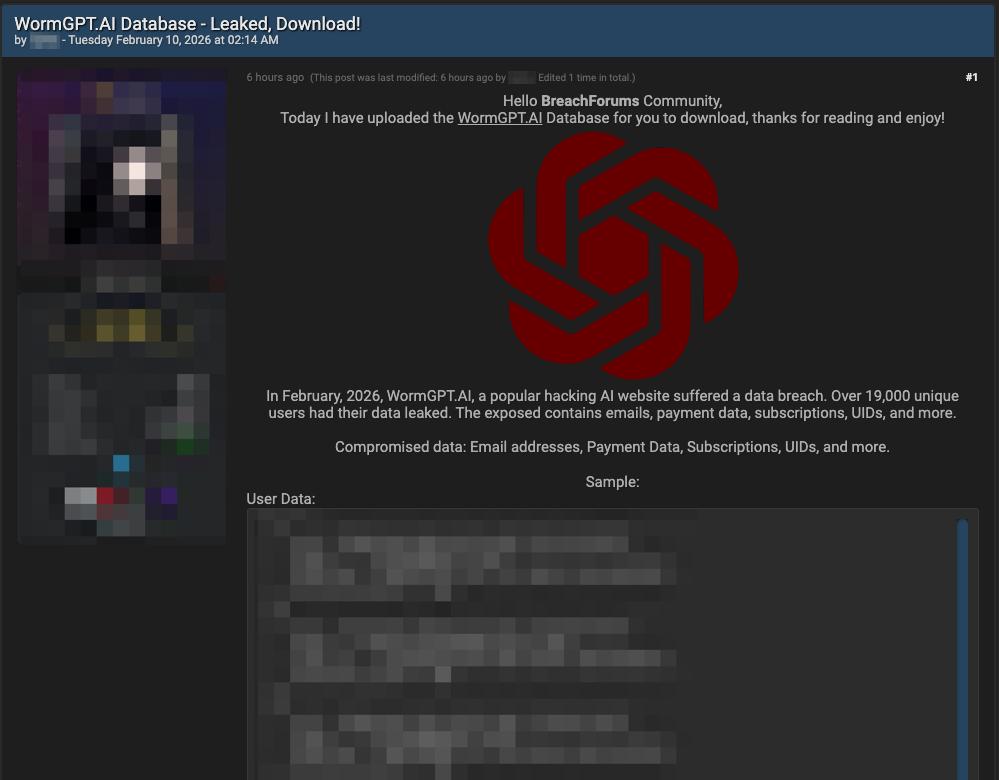
As threat actors use AI for malware development, the tools and platforms offering these capabilities are themselves becoming attractive targets for the cybercriminal community. A notable example was the data leak affecting wormgpt[.]ai in February 2026. The breach exposed system prompts for a fine-tuned Mistral-7B model and data on thousands of users who used the service to write malware and phishing content.

Figure 6. Underground forum post announcing the release of the WormGPT database

Malware developers who rely on AI models face not only criticism from their own community and declining code quality, but also risks to their infrastructure, which becomes vulnerable to attacks by fellow cybercriminals. For security professionals, the development of generative AI therefore presents a dual dynamic: the technology accelerates the creation of threats while also making the development process more visible and vulnerable to disruption.

AI as a preferred target

New technologies create opportunities not only for legitimate users but also for cybercriminals. Widespread AI adoption improves workflow efficiency, but it also expands the attack surface and creates new targets for threat actors. AI infrastructure, in particular, is increasingly coming under attack, and its compromise can expose source code, access keys, and other sensitive information. KAIDO RAT is a notable example of this trend.

KAIDO RAT v3.0 is an advanced trojan targeting the Brazilian financial sector. This modular framework combines conventional espionage capabilities, endpoint detection and response (EDR) evasion, and specialized tools for attacking banking systems and AI platforms. The trojan specifically targets the local environments of developers who use AI tools, a threat we previously highlighted in our forecasts. KAIDO RAT goes beyond conventional credential theft targeting the APIs of popular language models. It injects malicious scripts through Git hooks and Jupyter startup hooks. The trojan also uses the Claude command-line interface (CLI) as a control channel, accepting commands through Discord or Telegram, and intercepts Model Context Protocol (MCP) communications in the Claude desktop application.

The emergence of such tools illustrates a trend toward the complete compromise of local development infrastructure and the exploitation of integrated AI tools. The local environments of developers and ML engineers are already becoming some of the most attractive entry points into corporate networks. These threats reinforce the need for robust security around new AI tools, which now constitute a critical and often poorly monitored attack surface.

  • Although threat actors often use AI merely as a marketing tactic, the technology continues to rapidly reshape cybercrime. AI helps automate routine tasks, accelerate vulnerability discovery, and perform in-depth data analysis in very short time frames. Cybercriminals are shifting their focus toward compromising AI infrastructure. At the same time, the AI models used by threat actors are also becoming targets.


    Malware itself is also undergoing a fundamental transformation, evolving from conventional hard-coded scripts into autonomous AI agents capable of making their own decisions and adapting to the environment on an infected host. Meanwhile, the use of AI orchestrators to automate vulnerability discovery is blurring the line between legitimate bug hunting and attacks by low-skilled threat actors. Threat actors' own AI infrastructure is also becoming a target for attacks by fellow cybercriminals and a source of data leaks.

Trend 2. Blockchain as the new standard for botnets

In 2025, attacks worldwide became larger and more automated, with more far-reaching consequences. Geopolitical conflicts continue to trigger spikes in DDoS activity, while growing collaboration between APT groups and hacktivists further compounds the problem, increasing the complexity and scale of cyberthreats. Against this backdrop, threat actors' use of blockchain technology to make their infrastructure more resilient is emerging as a key trend.

Kimwolf: blockchain as a fallback

In late 2025, the Kimwolf botnet, referred to in some sources as Aisuru-Kimwolf, set a world record for DDoS attack volume, peaking at 31.4 Tbps. This massive network comprises more than 2 million infected Android TV boxes and IoT devices. At peak activity, the volume of DNS queries sent by the botnet to Cloudflare's servers exceeded the combined traffic of major companies such as Google and Apple.

Kimwolf's success stems from a combination of two factors:

  • The use of residential proxy services to conceal traffic and bypass firewalls, particularly IPIDEA, which is considered a reincarnation of the shuttered 911S5 service, formerly one of the world's largest illicit residential proxy services
  • Critical vulnerabilities in low-cost electronics, with most infected devices shipped from the factory with the Android Debug Bridge (ADB) port enabled by default, allowing attackers to take control without a password

The botnet's developers use unconventional techniques, including manipulating DNS settings to interact with internal networks and using the Ethereum Name Service (ENS), built on the Ethereum blockchain, to locate command-and-control (C2) servers. ENS makes the infrastructure immune to blocking because blockchain records cannot be deleted or censored. This allows the attackers to instantly redirect the botnet to new servers and distribute commands that cannot be removed through the decentralized network.

Within the dark web community, Kimwolf is regarded as a resilient, technically sophisticated tool capable of bypassing most standard filters. Its distinctive control mechanisms and continual adaptation to new detection methods are considered to make it difficult to counter.

There have also been reports of "turf wars" over devices, in which the competing Bigpanzi botnet forcibly removed Kimwolf components using the pm uninstall command in an attempt to gain exclusive control of device resources.

The Kimwolf case reinforces the trend toward blockchain becoming a foundation for modern, resilient cyberthreats. In early 2026, financially motivated threat actors adopted this approach, replacing conventional C2 servers entirely with smart contracts.

Aeternum: commercial malware built on smart contracts

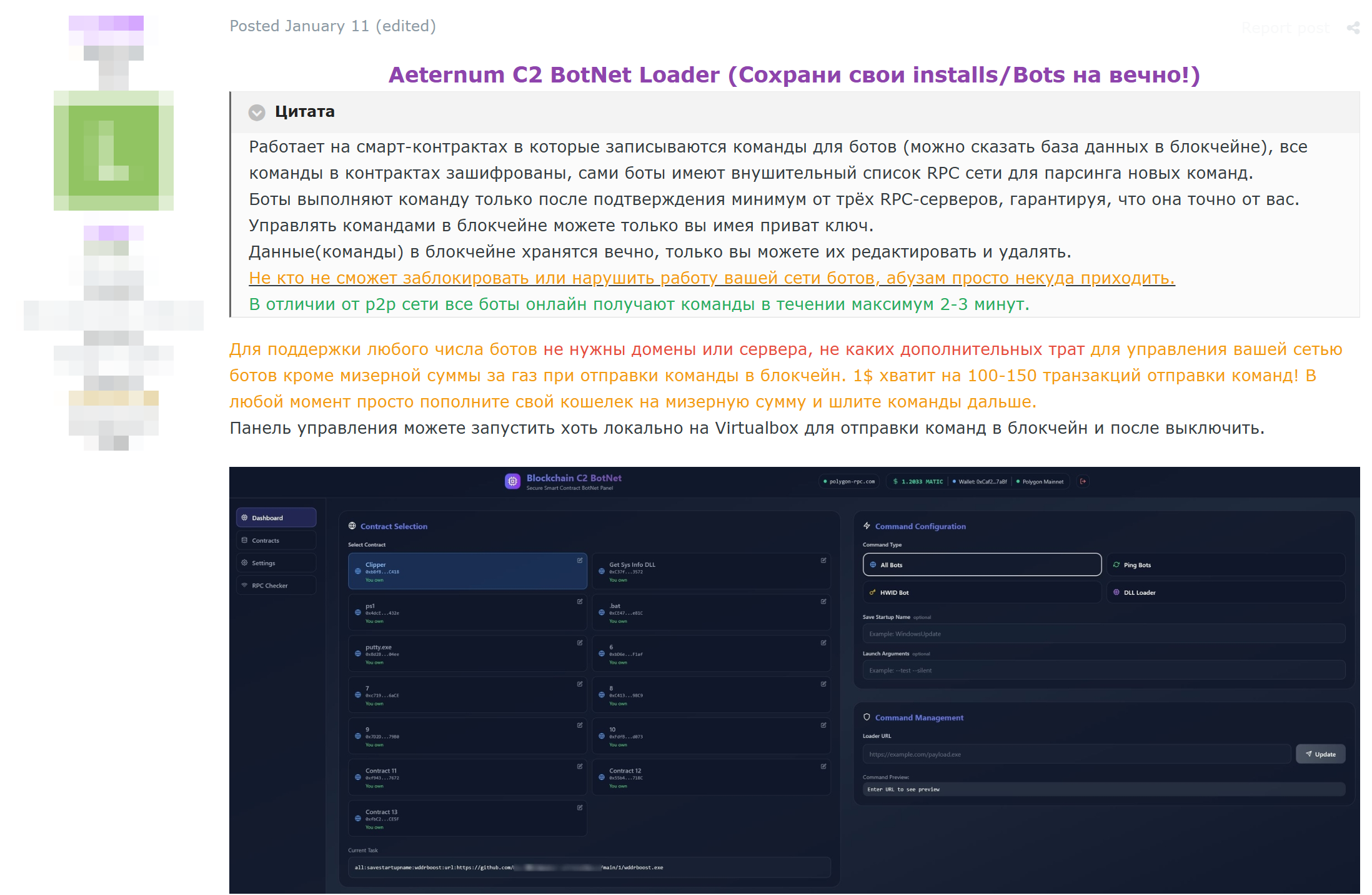
On January 11, 2026, an advertisement appeared on a dark web forum offering Aeternum, a botnet loader written in C++, for sale. Its defining feature is the complete replacement of traditional C2 servers with decentralized infrastructure based on smart contracts on the Polygon blockchain.

The developer, known as LenAI, initially offered ready-made builds for $500 but later put the project's entire source code up for sale, citing a lack of time for maintenance and being fully committed to another project involving ClickFix. This social engineering technique tricks users into executing malicious code on their own devices. The developer's shift in focus supports our forecast of the technique's growing popularity. Over three weeks, the price of the full source code, including commercial usage rights, rose from $8,000 to $15,000 following further development and improvements.

Figure 7. Underground forum post describing the Aeternum botnet's functionality

Commands are transmitted in encrypted form, and the blockchain-based infrastructure is resilient to domain blocking, a conventional method of disrupting this type of malware. Infected devices retrieve and parse new instructions through public remote procedure call (RPC) nodes, which are servers that enable interaction with a blockchain network by processing queries and submitting transactions. The devices execute instructions only after receiving confirmation from at least three servers. This design significantly reduces operating costs: $1 worth of the MATIC cryptocurrency covers 150 transactions, and the attacker does not need to pay for hosting.

According to a report, Aeternum's technical capabilities include:

  • Decentralized command and control
    Smart contracts on the Polygon network and public RPC nodes replace conventional C2 servers.

  • Command verification by multiple servers
    Instructions are parsed from the blockchain and executed only after verification by at least three independent servers.

  • Advanced analysis evasion
    Anti-VM checks use CPUID instructions and SMBIOS tables, while parent process ID (PPID) spoofing disguises the parent process.

  • Stealthy loading and execution
    The malware supports reflective DLL loading directly into memory and automatically removes Mark of the Web (MotW) metadata, which Windows uses to flag files downloaded from the internet as potentially unsafe, to bypass Windows security controls.

  • Geofencing
    Built-in restrictions prevent the malware from running or performing any activity in CIS countries.

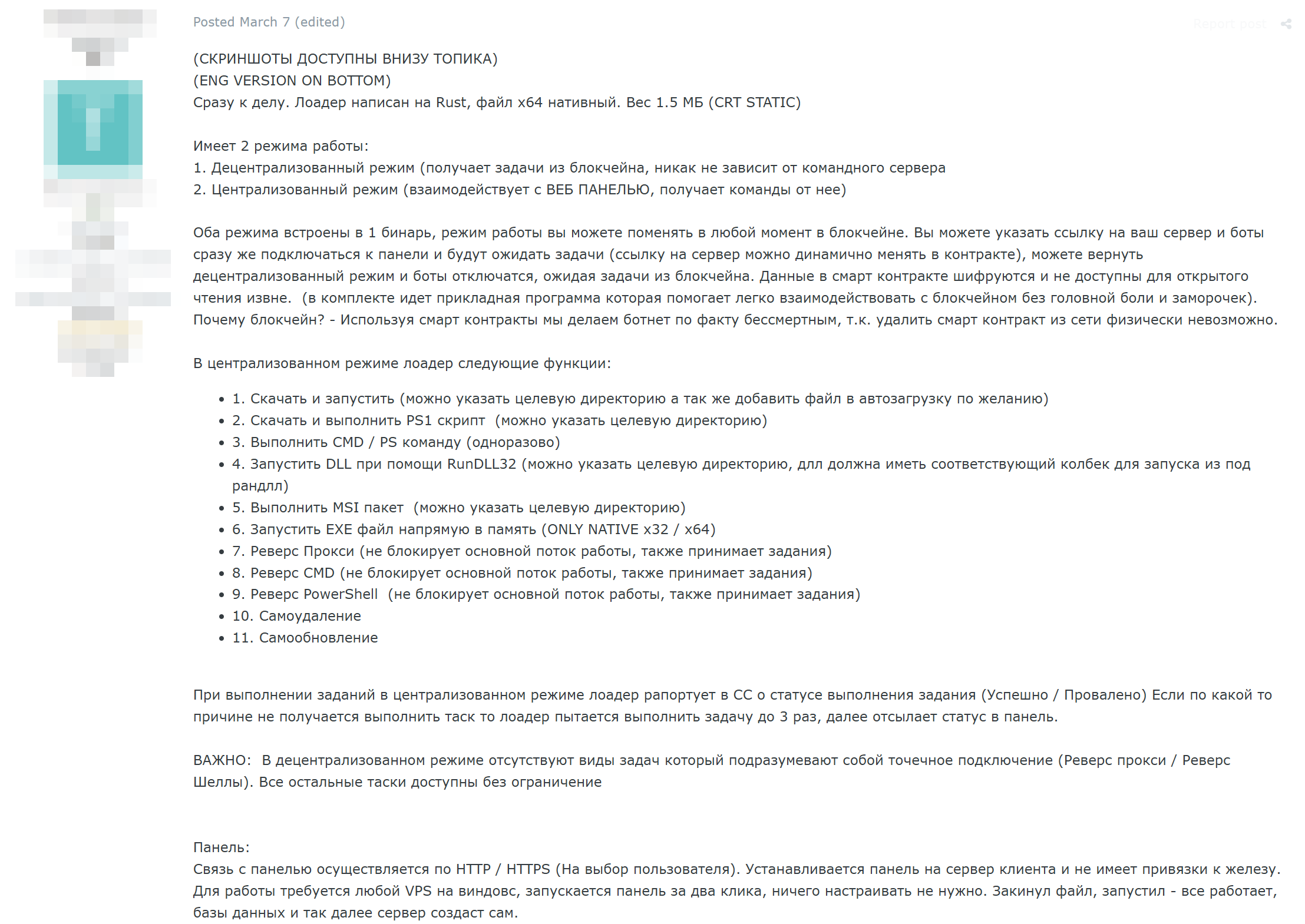
The release of another project, Void Botnet, on March 7, 2026, provides further evidence that blockchain is becoming a new standard in the botnet market. Unlike Aeternum, Void Botnet is written in Rust and retains support for traditional control methods, offering both a blockchain-based mode and a centralized mode with a web-based control panel.

Priced at $600, it offers reverse proxy and reverse shell capabilities, as well as in-memory file execution. Void Botnet's developer explicitly claims that smart contracts make the botnet "effectively immortal" because they cannot be removed from the blockchain.

Figure 8. Underground forum post describing Void Botnet
  • The adoption of smart contracts and systems such as ENS by threat actors has turned blockchain into a foundation for "immortal botnets." This technology gives attackers complete protection against disruption: commands stored on the distributed ledger cannot be deleted or blocked. This development clearly demonstrates how innovations designed to improve security and transparency are inevitably adapted by criminals to automate attacks and build highly resilient infrastructure.


    We expect blockchain adoption in botnets to become widespread in the near term, although it will not fully replace conventional C2 servers. Commercial tools such as Aeternum and Void will become more common, allowing threat actors to build decentralized networks at minimal cost. This will make the work of security professionals significantly more difficult because existing filtering tools are largely unable to disrupt malware controlled through public blockchain networks.

Trend 3. Evolution of cybercriminal tools

In today's cyberthreat landscape, the cybercrime-as-a-service (CaaS) model has evolved into a mature platform economy. Threat actors continually refine techniques for bypassing security controls and exploit the business logic of legitimate systems as they work toward fully automated attacks. At the same time, they are moving away from efforts to make malware fully undetectable (FUD) and toward manipulating reputations of the services. The resulting threat landscape combines technically sophisticated tools with the exploitation of decision-making processes, making detection and blocking significantly more difficult.

Automating attacks on interactive voice response (IVR) systems

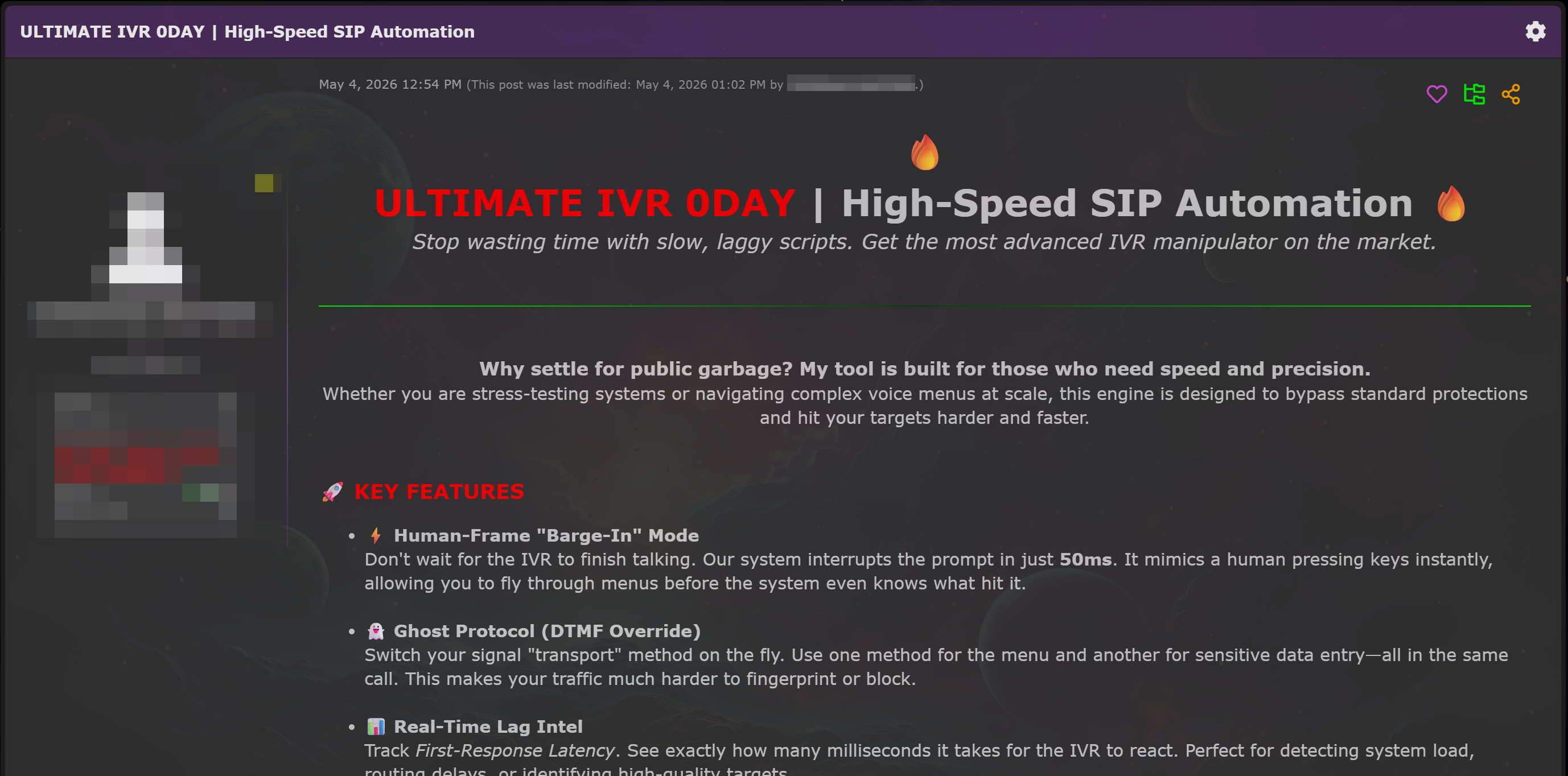
In May 2026, a post describing a specialized tool for Session Initiation Protocol (SIP) automation, used to manage telephone calls, was observed on an underground forum. Although its developers present it as a solution for stress-testing systems, its capabilities are well suited to malicious use, a concern reinforced by its promotion on an underground forum. Features such as automated SIP authentication bypass, batch processing of concurrent calls, response routing, and dynamic manipulation of dual-tone multifrequency (DTMF) signals point to its use in automating carding and account takeovers involving banking systems and customer support IVR platforms.

The main risk posed by this tool is its ability to automate the exploitation of business logic in large organizations. Instead of making calls manually, attackers can use it at scale to brute-force PINs, automatically confirm transactions, or hijack password reset procedures over voice channels. By immediately interrupting voice prompts and intelligently analyzing audio, the system operates much faster than legitimate users, bypassing conventional fraud detection mechanisms that are often not equipped to handle this level of automation.

Figure 9. Underground forum post advertising an IVR tool for sale

In the hands of cybercriminals, this tool enables account compromise on a massive scale. Support for up to 20 concurrent calls per session and batch processing allows attackers to bypass security controls at banks and telecommunications providers with minimal resources. By mimicking legitimate interactions with the system, they make these attacks difficult for security teams to detect and block.

Manipulating community feedback on VirusTotal

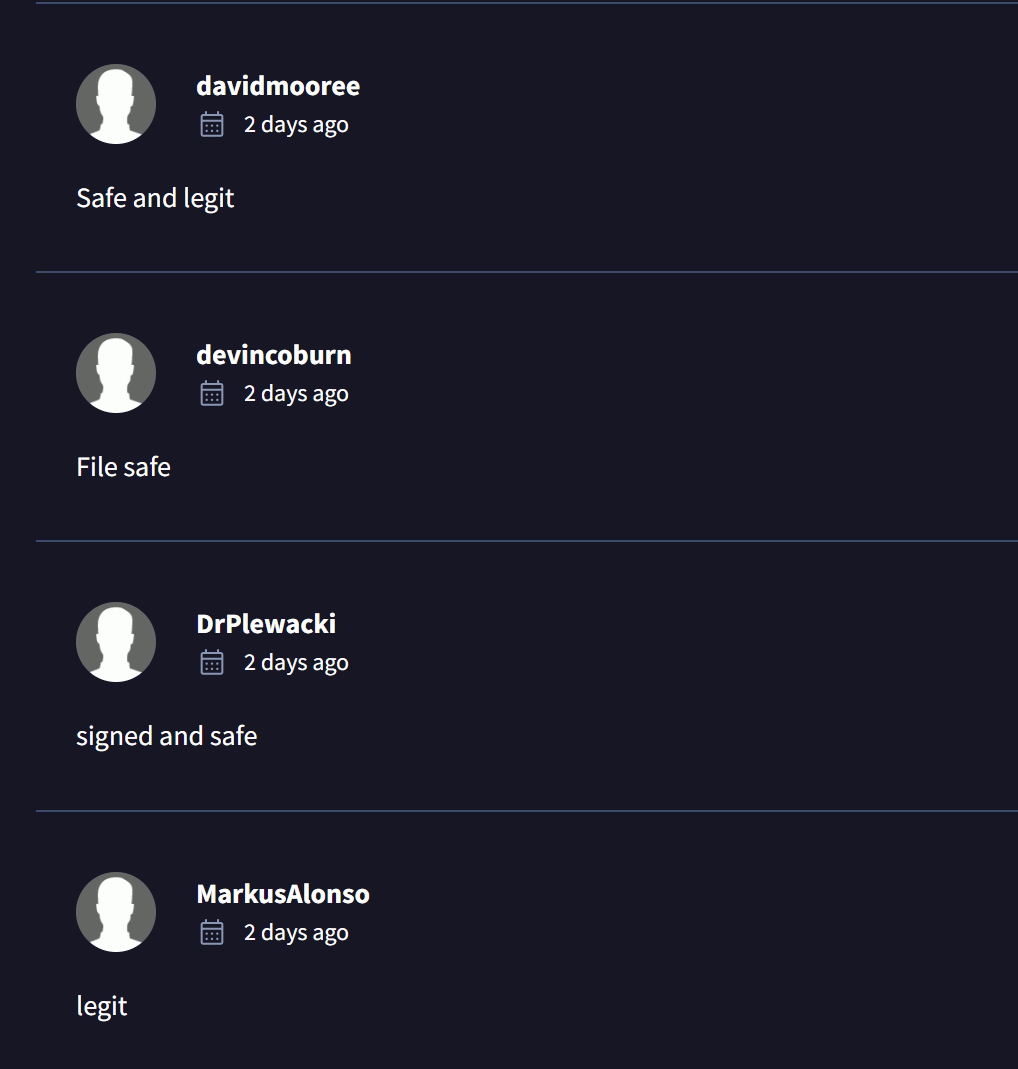
Fully undetectable (FUD) status, as indicated by a VirusTotal report, remains an important reference point for both security researchers and threat actors: it means that none of the antivirus engines detected the file at the time of scanning. Organizations also frequently use the VirusTotal API as a source of automated checks, relying on aggregated signals such as detection counts, file history, and reputation.

As security tools become more sophisticated and malware development costs rise, the focus is shifting: rather than trying to evade detection entirely, threat actors are turning to reputation manipulation. Although VirusTotal generates its assessment automatically, the surrounding context, including a file's history, relationships, and comments, offers opportunities to artificially remove negative signals or distort the overall picture.

As a result, even a file flagged by several engines may appear trustworthy and pass automated filters. This reduces the value of conventional metrics: attackers are exploiting decision-making processes rather than vulnerabilities.

Figure 10. Examples of comments on VirusTotal
  • Automating attacks on business logic and manipulating service reputations will become established trends as threat actors increasingly shift their focus from finding code vulnerabilities to compromising decision-making processes. To counter these threats, organizations need to complement traditional defenses, such as file detection and signature-based blocking, with in-depth behavioral analysis and monitoring of transaction sequences.

Trend 4. Takedowns of hosting providers

The use of specialized tools clearly illustrates how threat actors themselves become exposed to supply chain risks. To save time, they buy ready-made products from third-party developers in the cybercriminal underground. A vulnerability or hidden backdoor in purchased software, or the compromise of a service provider, can instantly disrupt the buyer's entire attack chain. This fragility in the cybercriminal supply chain becomes particularly apparent when it comes to infrastructure services.

Takedown of 1VPN

First VPN, also known as 1VPN, had been operating since 2014. It openly advertised on underground forums, promising not to keep logs, cooperate with law enforcement, or submit to any jurisdiction. As a result, it became popular among ransomware operators, including those behind Phobos, and other users seeking to conceal their identities while engaging in illegal activities.

The service was dismantled during the international Operation Saffron on May 19–20, 2026. Authorities from seven countries participated, supported by Europol and Eurojust. More than 33 servers were seized, domains were blocked, and users were identified. The service's main administrator, based in Ukraine, was questioned as part of the investigation, while 83 case files covering the 506 most active clients were forwarded to law enforcement agencies in the relevant countries.

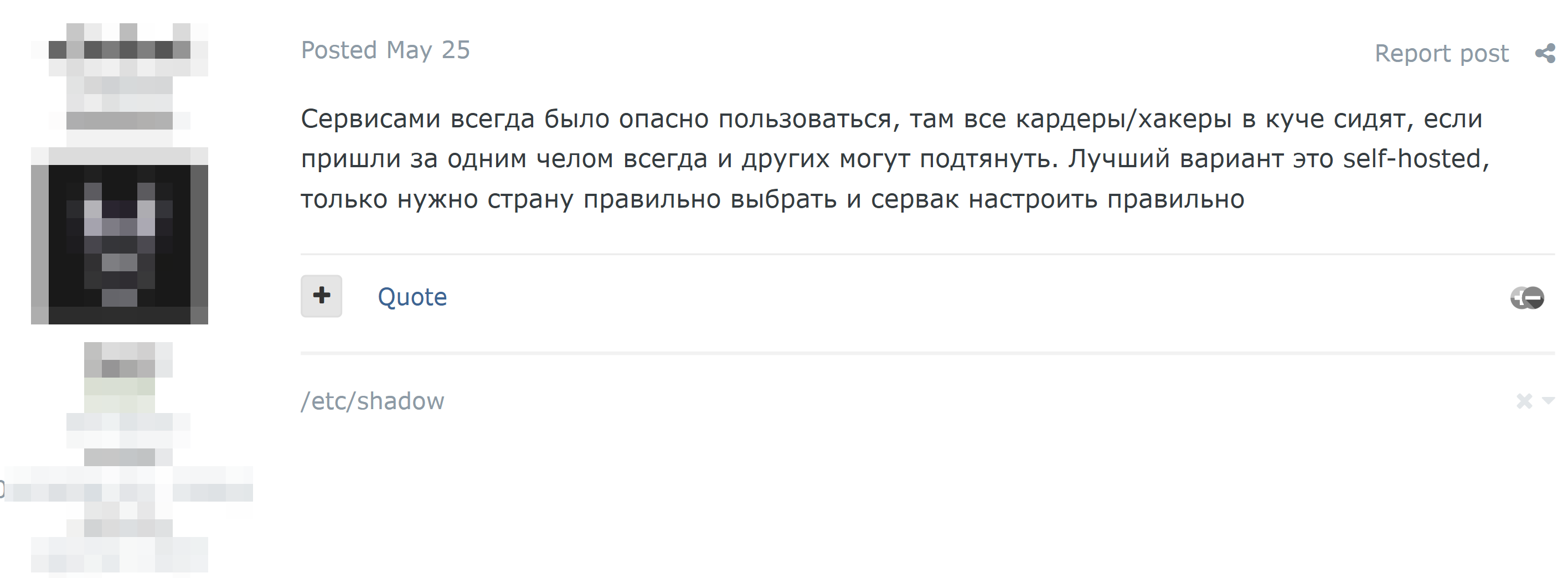
The takedown sparked extensive discussion in a dedicated thread on one forum. One of the most contentious issues was whether the service had kept logs. Users recalled previous checks during which the service had guaranteed complete anonymity. In light of police statements about successfully identifying hundreds of clients, however, many began to question those promises. A recurring argument was that trusting any commercial VPN service advertised on underground platforms was a serious mistake. Experienced forum members argued that such services inevitably attract the attention of intelligence agencies and that operating their own servers was therefore safer for serious operations.

Figure 11. User comment on a dark web forum

Despite law enforcement claims that the entire infrastructure had been seized, activity continued in a Telegram channel associated with First VPN. In late June, existing users began receiving messages announcing that the service had relaunched in private mode. Although its reputation among threat actors had been damaged, this development nevertheless illustrates how quickly criminal infrastructure can adapt and attempt to reestablish itself.

Disappearance of the fast-flux service operated by Yalishanda

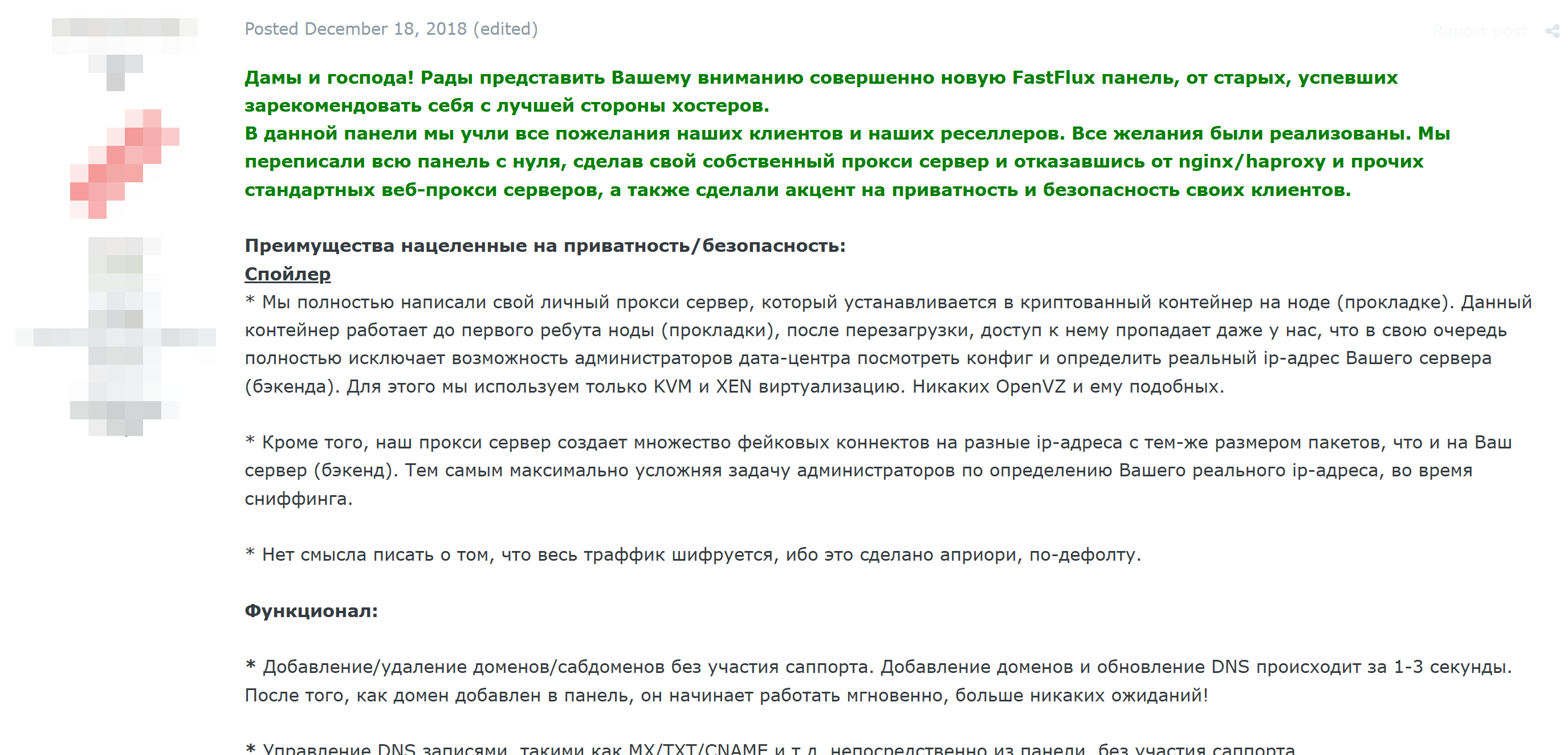
The fast-flux service created by a user known as Yalishanda had been operating since 2018 and was one of the longest-running services in the underground market. It was marketed as a revolutionary solution, featuring a proxy server written from scratch, nodes isolated in encrypted containers, automated IP address rotation, and protection against deanonymization.

Figure 12. Advertisement for the service on the dark web

In early May 2026, the service suddenly went offline. Users complained that they could no longer access the control panel, and the owner stopped responding. The situation was further complicated by the fact that the owner's identity had already been exposed in 2019. In November 2025, the owner was also placed under U.S. and UK sanctions for ties to ransomware operators. On May 6, 2026, the administrators of an underground forum labeled Yalishanda a scammer after the user failed to respond to complaints within 24 hours.

The prevailing view within the underground community was that the infrastructure might be under the control of intelligence agencies. Meanwhile, some users sought to capitalize on the situation by promoting their own competing services. Former customers also noted that the service's technical support staff had become increasingly rude in recent months, behavior often seen as a warning sign before a service disappears.

Attack on 4VPS

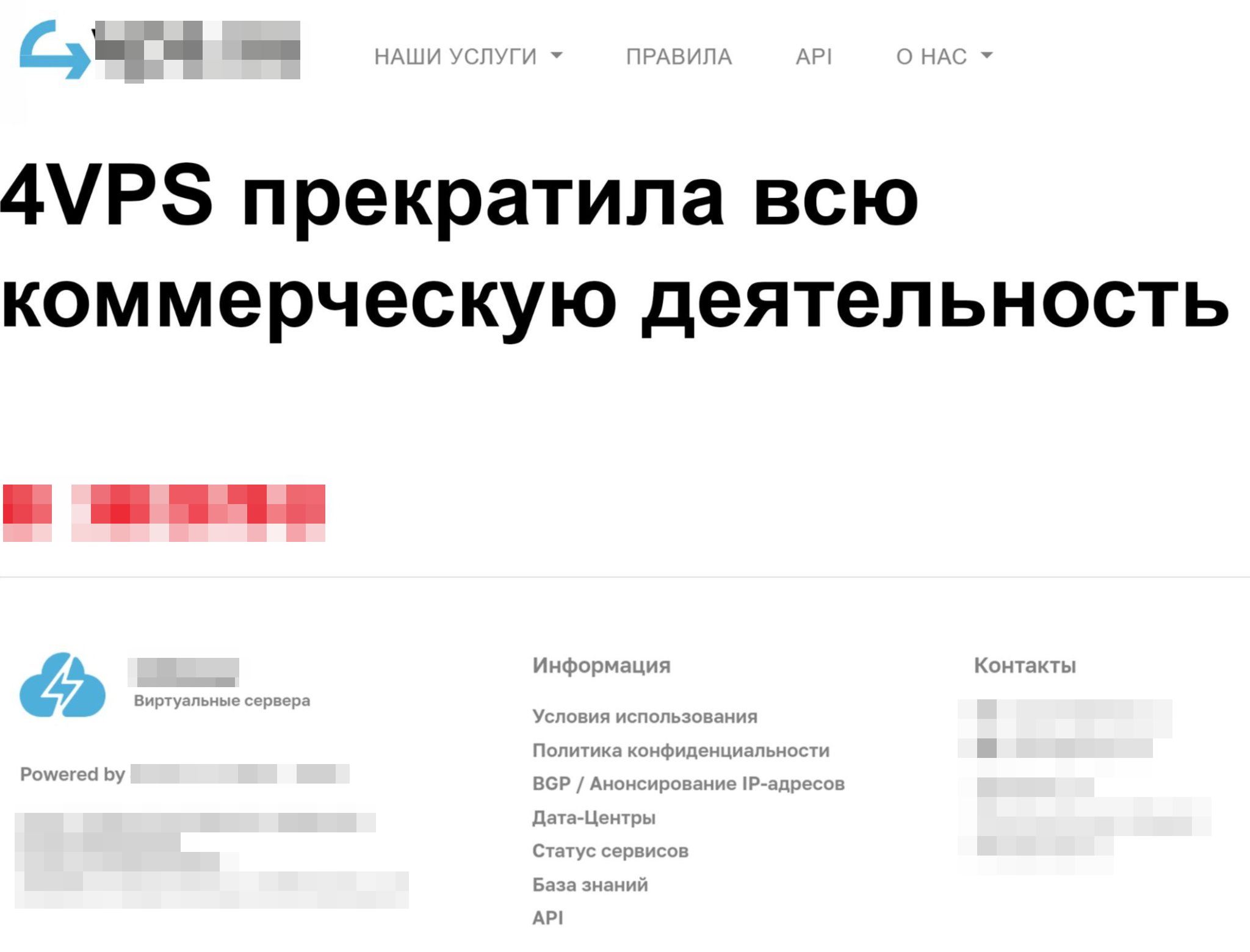
On May 2, 2026, 4VPS, a service marketing itself as a bulletproof hosting provider, suffered a major attack. Its administrators initially reported that a proxy server had been replaced and dismissed a message announcing the breach as phishing, insisting that the core infrastructure and customer data were unaffected. On May 20, 4VPS published a clarification on its Telegram channel. It revealed that the attack was an extortion attempt and that exploitation of a vulnerability in the control panel had resulted in the deletion of the billing system and damage to the bootloaders on 151 virtual machines. Repeated reboots compromised file system integrity, while disk failures on five physical nodes caused irreversible data loss on some servers.

Figure 13. 4VPS website's homepage after the attack

Despite assurances from 4VPS that customer data was safe, users remained skeptical, recalling similar incidents involving other hosting providers. Community discussions included speculation about an exit scam and even the possible involvement of front men among the 4VPS administrators who might have facilitated the incident. Reports that 6 GB of data allegedly belonging to the provider had been offered for sale on another platform for $20,000 attracted particular attention. This deepened suspicions that the damage was far more extensive than the 4VPS administrators had acknowledged. It soon emerged that the dataset included information belonging to the ransomware-as-a-service (RaaS) group The Gentlemen. The ransomware gang confirmed that some of its infrastructure was hosted on 4VPS servers and acknowledged a partial compromise.

Leaks of cybercriminal tools give security analysts an opportunity to examine malware architecture, defense evasion techniques, and attack logic. This helps identify new indicators of compromise, improve detection capabilities, and forecast how threats will evolve more accurately.

For example, correspondence between members of The Gentlemen reveals a complex structure prone to internal conflict, typical of the RaaS model.

  • The central figure in the group is zeta88, also known as hastalamuerte. He is responsible for generating ransomware builds through the control panel, granting access, coordinating negotiations with victims, and collecting a 10% share of ransom payments. He is also the primary supplier of tools and oversees the group's operations.
  • Analysis of the data showed that, when selecting targets, The Gentlemen prioritize an organization's role in critical infrastructure over its revenue. They seek to inflict maximum financial damage by paralyzing core business processes and deleting data to compel victims to pay.
  • The Gentlemen are considering aggressive tactics to pressure victims during extortion operations. In particular, the group plans to extort companies by compromising their contractors, exploiting reputational risks and relationships within the supply chain.
  • The group's arsenal includes a custom ransomware locker, proprietary tools for data collection and exfiltration, and EDR killers purchased on the underground market. The correspondence suggests that zeta88 takes particular pride in his collection of these tools. Members also discussed ways to digitally sign the ransomware to make it appear more trustworthy and bypass security controls.
  • Of particular note is the use of Chinese large language models, including Kimi, Ernie, and DeepSeek, to generate and analyze code. The attackers are also considering locally hosted LLMs for processing large volumes of stolen data to identify the most valuable information and increase pressure on victims. This reinforces the observation that AI is gradually becoming a core component of the toolkit used by modern ransomware groups.

Analyzing such leaks reveals not only the tools attackers use but also how they operate internally: how roles are assigned, which technologies they use, and how they develop their attacks. These insights help analysts proactively identify emerging techniques and adapt security controls. At the same time, such incidents erode trust within the cybercriminal community, particularly in services that store users' correspondence, tools, and other sensitive data.

Conclusion

Analysis of underground forums and dark web communities provides a unique opportunity to observe the evolution of cyberthreats before they become widespread in attacks. We are seeing a fundamental shift toward malware operating as autonomous AI agents that go beyond automating routine tasks to actively infiltrate decision-making processes within victim organizations. The use of blockchain infrastructure, particularly smart contracts for botnet control, is creating an entirely new category of resilient threats that are becoming virtually impossible to neutralize through conventional filtering.

At the same time, the cybercrime-as-a-service (CaaS) model that gives attackers a technological edge is also becoming their greatest vulnerability. Declining trust in bulletproof hosting and VPN providers, combined with persistent internal conflicts and leaks, clearly demonstrates that the technological complexity of the underground ecosystem introduces risks similar to those posed by conventional supply chain attacks. For security researchers, this means that combating cybercrime now depends not only on identifying technical artifacts but also on understanding the fragile mechanisms that underpin the underground market